Are Shen Yun performances “political”?
Not in the way the term is often used. Artistic works often portray historical events or human struggles without being considered political in nature. For example, The Sound of Music tells the story of the von Trapp family’s love, trials, and courage against the backdrop of Nazi occupation, but it is not considered a “political” film. When historical events or injustice appear within a story, it does not necessarily make the work itself political.
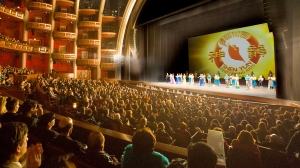
Shen Yun uses the performing arts to bring to life the inner essence of China’s divinely inspired culture. Its programs draw from ancient legends, classical literature, and historical traditions, while also presenting stories that reflect experiences in the modern world—including the faith and courage of Falun Gong practitioners who have faced persecution in China.
Across these dance pieces and musical works, themes such as spiritual devotion, the benevolence of the divine, and the search for life’s meaning are central. These stories are meant to uplift and inspire audiences while sharing aspects of Chinese culture that have been suppressed under communist rule.
For this reason, describing Shen Yun simply as “political” overlooks the broader artistic, cultural, and human themes at the heart of the performance.